As we age we have to look at our training differently than when we were in our 20s.
I first started playing adult football when I was only 16 and I vividly remember one training session where a few of the older guys complaining how sore they were from the match on the previously Saturday. This was on the Wednesday, and I couldn’t understand how they could still be beat up from the game days earlier. At 16 years young I had played on the Saturday, played 5 a side on the Sunday night, trained with the uni team on the Monday, went to the gym on the Tuesday and was at our training on the Wednesday with no pains or fatigue.
Fast forward 18 years and I can now relate to these older guys.

Although things change as we get older, it is still not an excuse to let things slip or be out of shape. I see it all the time. Guys play a sport or go to the gym then when they hit their 30s they stop. Work and family commitments get in the way and they happily conform to societies expectation that being unfit and out of shape is normal for people over 30.
Yes, it is much harder to stay in shape or get in shape as you age. Your body isn’t the same and your priorities change. However, you don’t have to accept this.
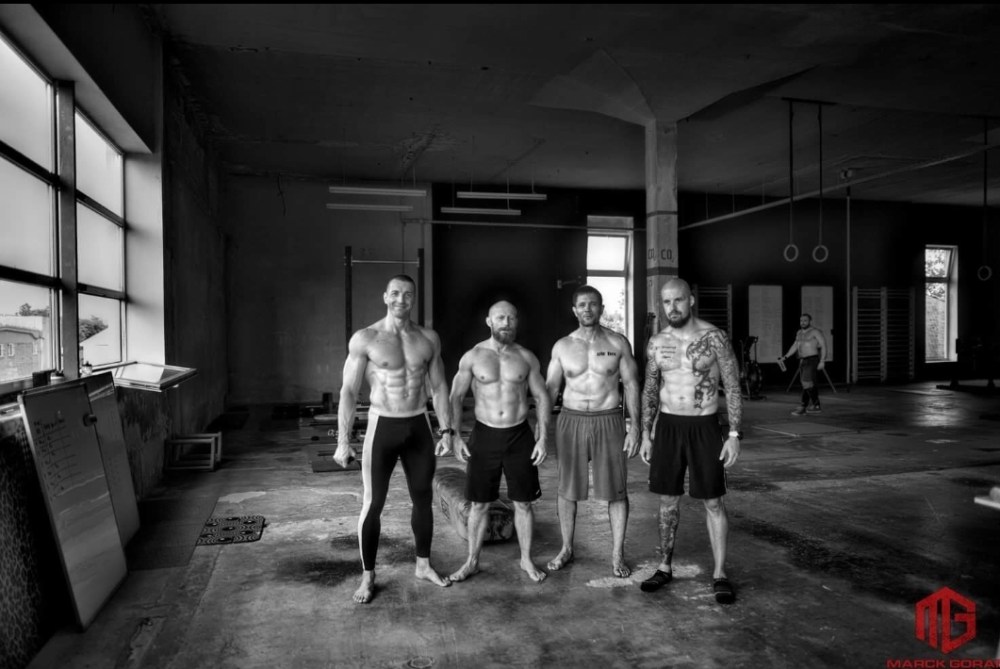
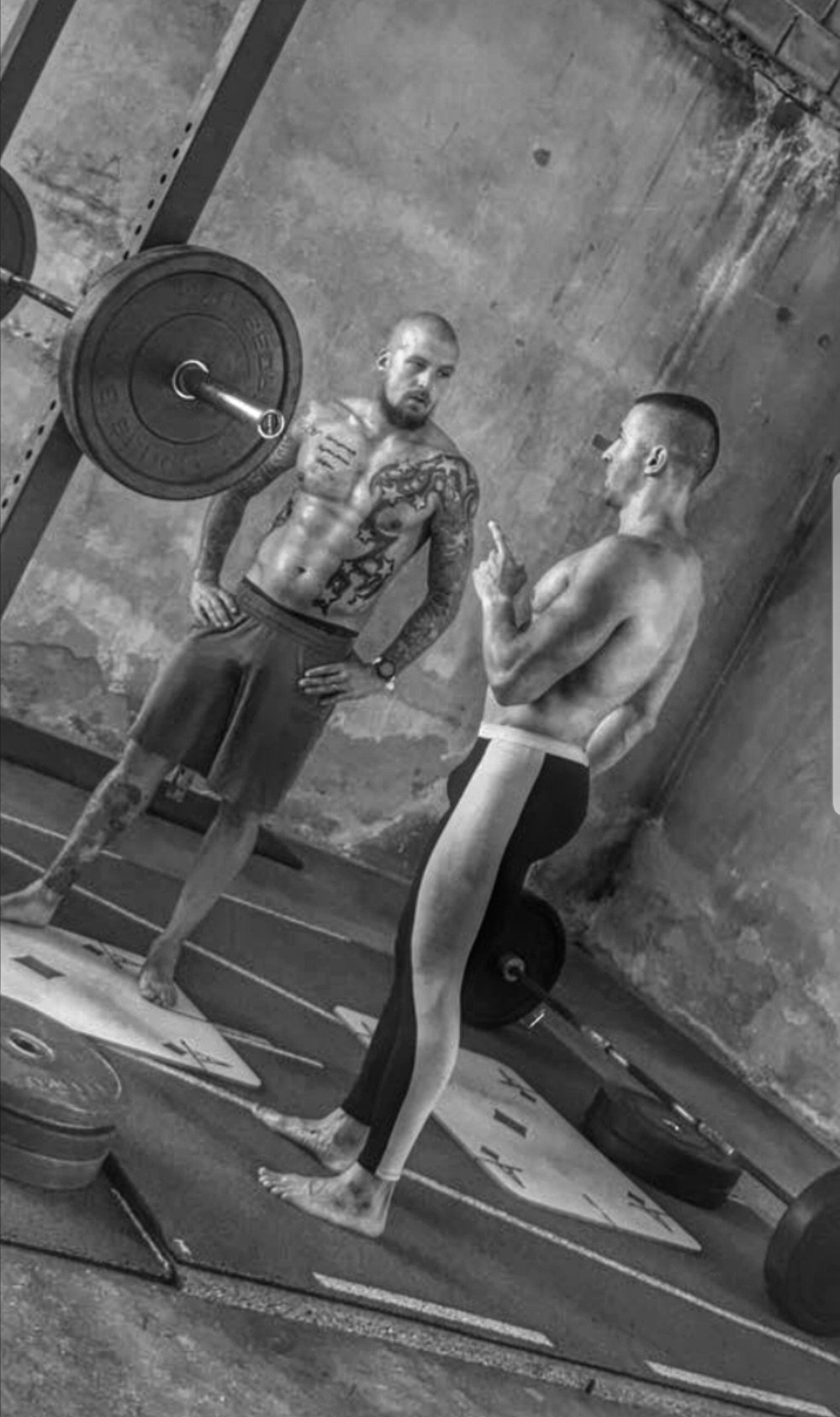
2 years ago on my trip to Slovenia, I spent alot of time with these 3 guys – Marck, Andy and Robert. As you can see from the picture, all are in incredible shape by anyone’s standard despite Marck and Andy being in their 40s and Robert in his 50s.
Yes, these guys are all in the fitness industry and yes these guys are driven to be the best version of themselves but so can you. You do not have to accept mediocrity as you age.
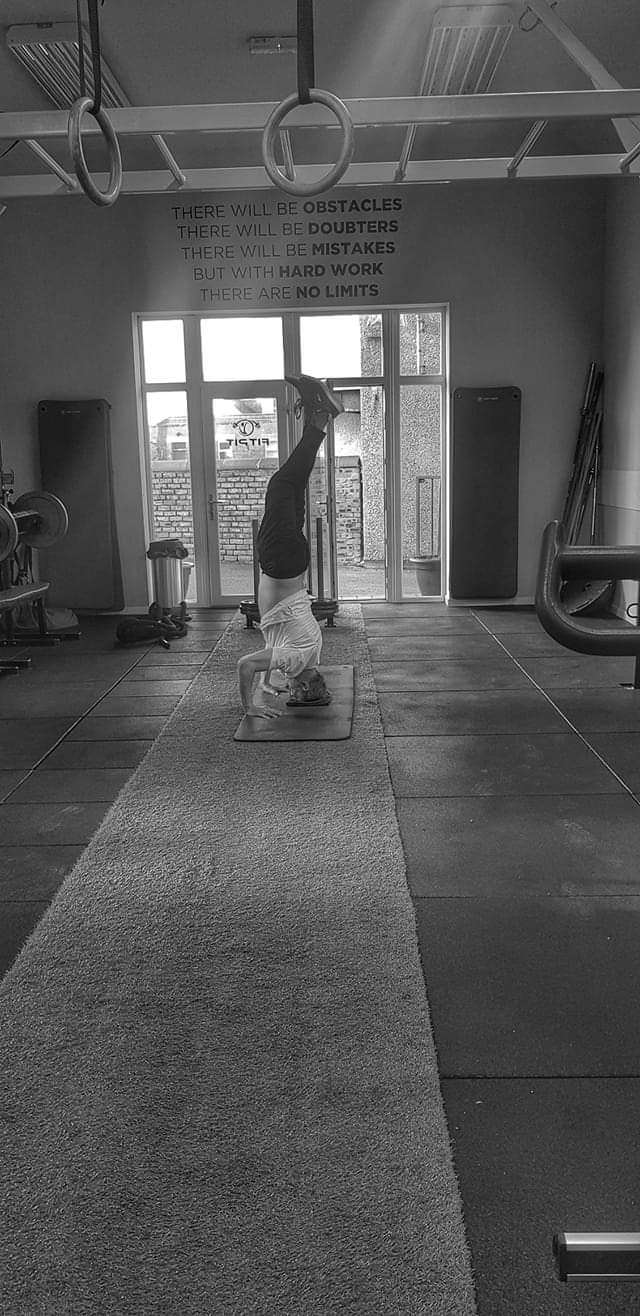
Another example of someone looking after themselves as they are is one of my clients Peter. He has been training with me for around 7 years, and now in his 70s is the perfect example of a normal guy looking after himself and staying in shape as he aged. Peter joins in our tough circuit classes, can bash out almost 10 chin ups, perfect a head stand and we even got a muscle up out of him 2 years ago. Absolutely amazing to see this guy in action.
We also have clients in their 60s making great gains in their strength training and John is not only improving his health but he is hitting the golf ball further than ever – priorities.
It’s clear to see the benefits of staying in shape over your lifetime and it’s never too late to start getting in shape.
However, there are things we need to consider when starting out or getting back into it after a while off to ensure you make progress in a safe way.
If you are over 30 and have kept up your training then these might not be relevant but if you are just getting back into it after years our some of these should be considered.
- Don’t try and fix years of inactivity and poor lifestyle in a few weeks before your summer holidays. If it took years to get out of shape, give it few months to get back in shape.
- Hard-core workouts and going #beastmode are not always needed to get in shape. You can make fantastic progress by starting off and making small gains over time. Little and often over the long haul produces good results.
- Pick exercises that suit how you move. If you have spent years sitting down not moving much, chances are your mobility will have worsened. Don’t try and force an exercise if you are lacking mobility. A prime example is guys trying to back squat with horrible technique due to poor mobility. Focus on addressing the mobility issue and go with box step ups, prowler pushes or goblet squats instead of forcing a bar on your back.
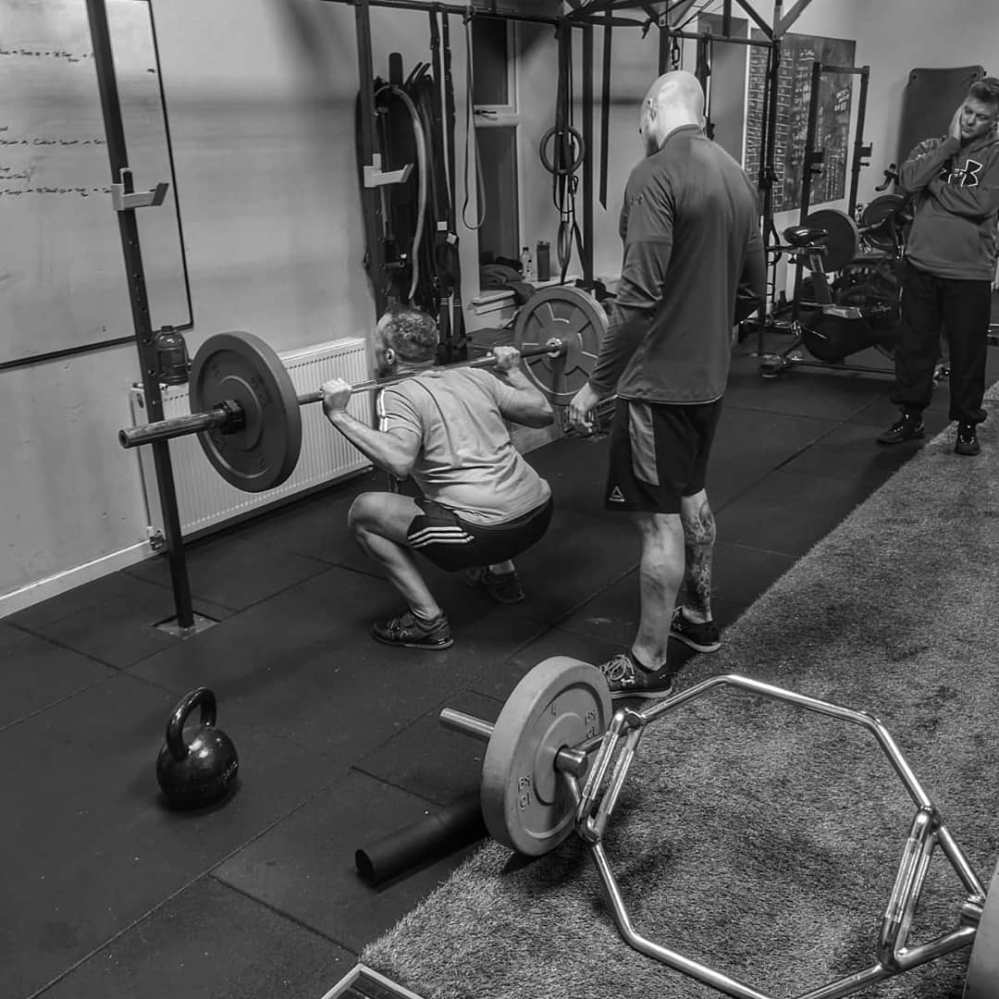
- Chances are you are not going to be competing in a powerlifting competition anytime soon. So the need for you to go for max max efforts isn’t really required and can sometimes do you more harm than good. Use a load that feels good and you can perform good clean reps with no pain.
- When you were active in your 20s you could probably get away with eating and drinking whatever you liked. Unfortunately, many people can’t get away with this as they become less active. Make sure you pay attention to your diet. This will also help with the quality of your training and help with recovery.
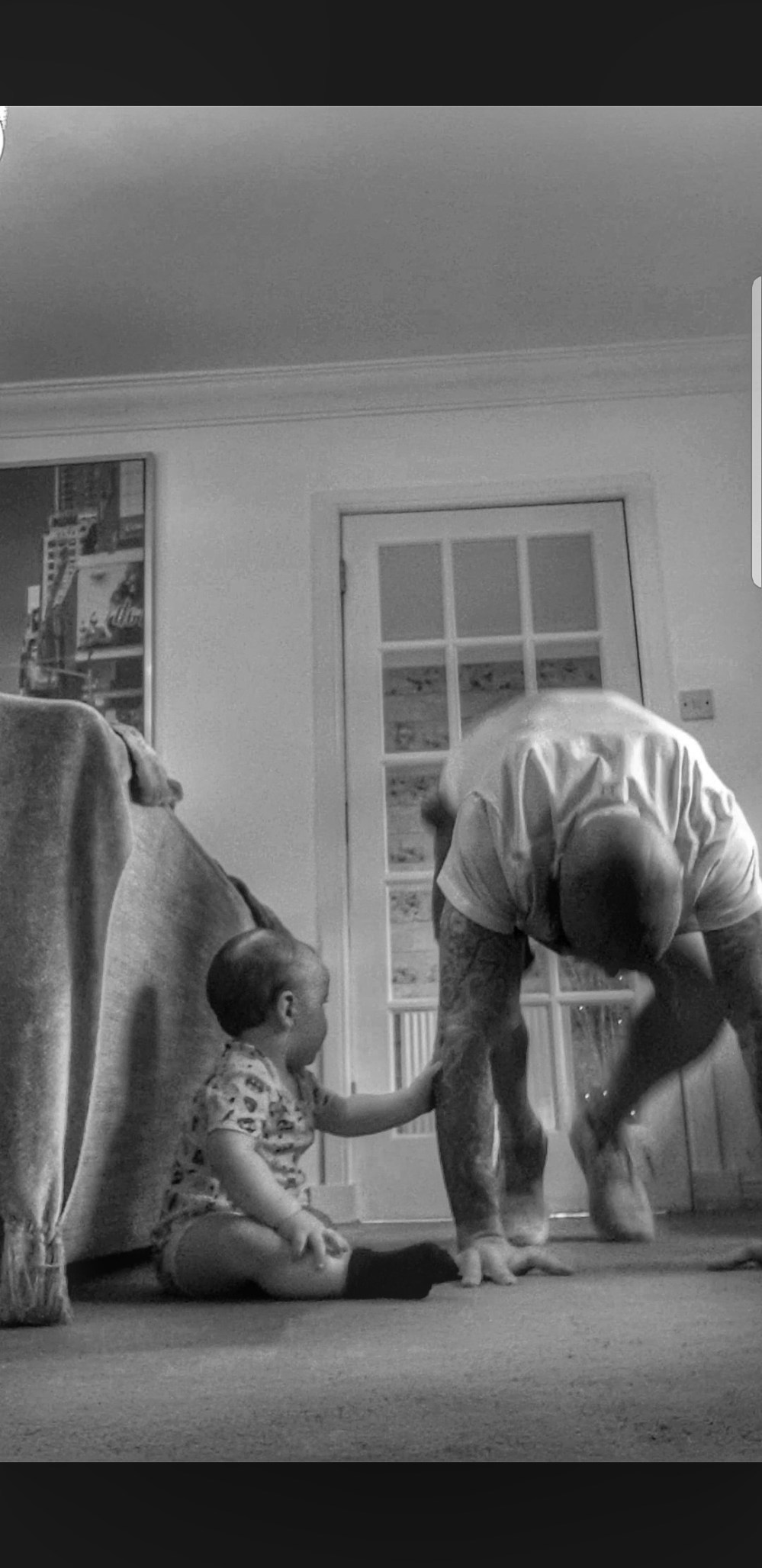
Training at any age should allow you to enjoy life to the fullest and this is especially important as we age. In your 20s you might be training to look good and to perform well in sports but as we age this should change to having a focus of becoming fit for life. Whether that’s reducing the risk of illness, playing with your kids or grand kids or just being a useful human.

The important thing to consider is that what you do in the gym should help with this. There’s no sense in smashing yourself in the gym if it means you can’t move for the next week. You can’t play golf or play football with the kids.
Every individual will be different. If you are like Marck, Andy and Rob train hard for as long as you can, if you haven’t been training in the past 10 years take some of the points in the second part of the article into consideration.
Start where you’re at and always aim to improve 0.5% each day, week, month and year.

 Coach Milligan