What is Intermittent Fasting and How Does it Work?
Intermittent Fasting can become very complicated but you can also make it simple.
I always prefer the simple approach.
I have used this approach to nutrition with myself and many clients and I have had lots of success from it.
Fasting involves going for periods of time without consuming calories. The most popular strategy is a 16:8 approach. Which basically means you eat nothing for 16 hours and you can eat only during an 8 hour window.
There are lots of claims as to the health benefits of fasting however, I find it works particularly well for fat loss as it tends to be quite a convenient way for people to be in a calorie deficit.
A calorie deficit is vital when it comes to losing body fat. We need to be consuming fewer calories than our body burns.
It was often said that breakfast is the most important meal of the day, however this is not true. There is no research to say that eating breakfast or skipping breakfast impacts fat loss in anyway.
The most important factor in losing weight or gaining weight is the overall calorie consumption. By fasting you can save yourself lots of calories by simply narrowing the window you have to consume calories.
There is no magic or secret here, you are simply eating fewer calories and this will lead to fat loss.
If the goal is Fat Loss then we need to be in a calorie deficit. If we are used to consuming 100’s of calories before lunch and you remove these calories – you will lose fat purely from having less calories, not the magic of fasting.
16 hours of not eating sounds pretty tough to achieve but if we look at it in more detail it is not as bad as what you would imagine. A common 16:8 fast would look like this – fast between 8pm through to 12 noon the next day and only consume calories between 12 noon and 8pm.
Most people are busy in the morning and it is quite easy to go for a few hours without eating, it also allows you to have more calories to consume in the evening, a time when people naturally over eat anyway.
It allows you to be more ‘social’ in the evening. You can go on those nights out, meals with the family etc and still lose weight as you have kept your calorie allowance for the evening, instead of consuming 800 calories on breakfast and mid morning tea break.
A reservation of mine was that you would be extremely hungry during the fast but you get used to it and it isn’t as bad as you would imagine. Make sure you drink plenty water and if needed some black coffee.
There is no magic here, it is just a way of manipulating calories to suit your lifestyle that keeps you in a calorie deficit.
There is no right or wrong way, this is just another tool for you to add to your Fat Loss tool box. Calories in and calories out will always be key, I have found this method to be very effective in dropping fat over a short period of time.
This can be adopted for the rest of your life or can be used as a short term method to get over a plateau or sticking point.
It may work for you, it may not so don’t worry if you can’t stick to it or prefer another strategy when it comes to your diet.
Be mindful that you can still over eat in your 8 hour window so you still need to be aware of the calories going in.
This strategy can also be used on different days, for example if you have a night out and know you will be over indulging, fast during the day and keep your calories for your meal out or beers with the boys.
This isn’t the answer to fat loss just an option for you to have at your disposal.
All diets that puts you in a calorie deficit will work, the only problem is that you need to be able to find a diet or way of eating that you can sustain for a lifetime to prevent the yo-yo diet problem.
Would I recommend? If you have tried other strategies with no success then yes, it’s certainly worth looking into.
These are purely my observations and experience of the Intermittent Fasting strategy.
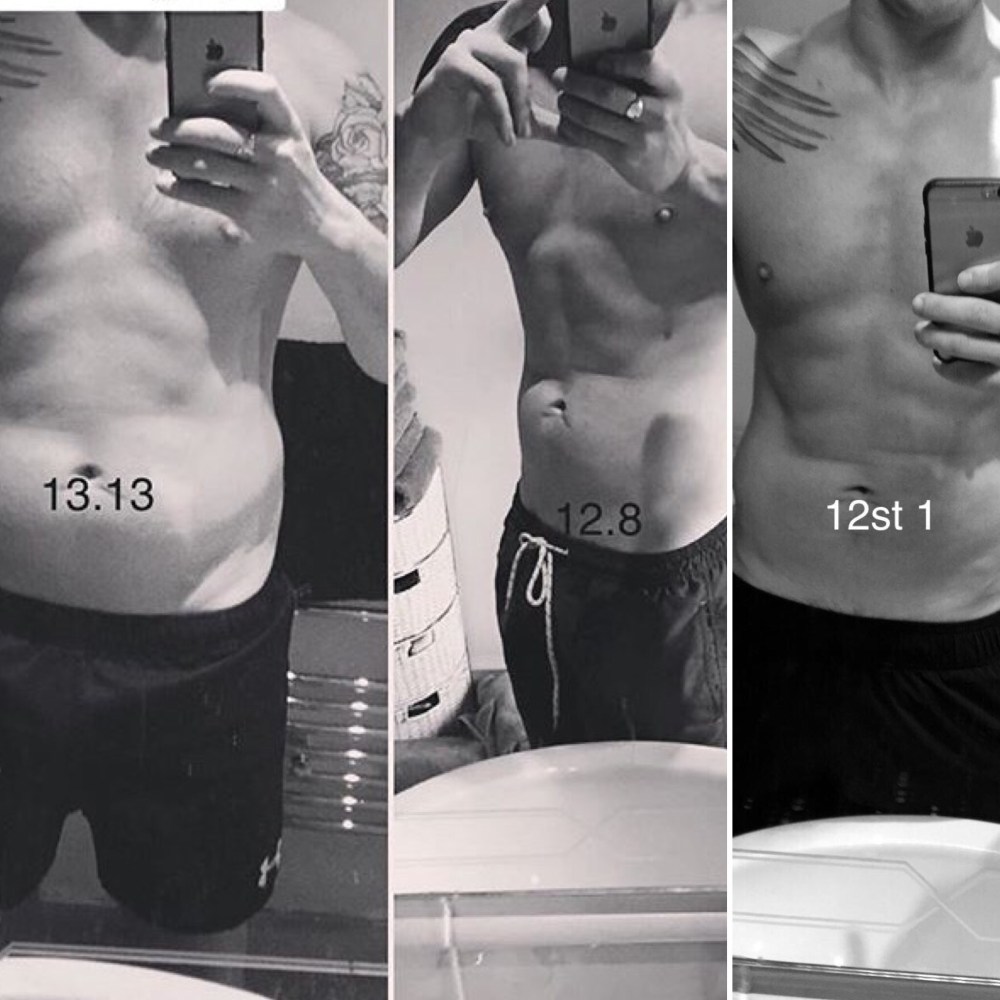
The picture above is one of my clients who successfully adopted this strategy.

 Coach Milligan